Mostrando las entradas con la etiqueta puerto natales. Mostrar todas las entradas

22 abr 2011

THE CHILEAN FJORDS

A sunny day on the top deck.
It was about 3 months before the trip when Emi began talking about an alternative way to make our way from Southern to Northern Patagonia – via a boat. His choice was with “Navimag”, a marine transportation company that takes cargo and curious tourists from Puerto Natales to Puerto Montt, covering some 1500 km in 3 days and 3 nights. Even though, this sort of an all prepaid (room and board) excursion seemed to be out of our budget, all I cared about was seeing these islands separating the coastal waters of Chile into thousands of canals. Those canals or fjords were not always water. At some point, probably during the last Ice Age, the whole southern part of Latin America was frozen. When the glaciers along the coast of Chile melted, they left trails of their retreat, in a form of web-like, deep canals, separated by many islands with virgin flora and fauna


Miniature islands.
One way or another, we had to find a cheap way to get on that boat and see those fjords for ourselves. With an application of a couple of manipulations we had 2 off season student tickets for a 16 person dormitory cabin. The luck continued to be on our side and at the time of check in we got an upgrade to a 4 person cabin with a window and a private bathroom! Originally, when we bought the tickets, the date of departure was the 5th, but then it was rescheduled for the 6th and on a different boat called “Puerto Eden”. The explanation we were given at the time for this change was that “Evangelista” was out of commission due to a minor crash with one of the “moving islands”! Apparently, in Chile islands can move unexpectedly and cause an accident… Later on, one of the crew members told us that the real reason of the crash was negligence of the captain assistant on duty. According to roomers, instead of monitoring the navigation of the boat, the guy had the vessel on auto pilot and while he spent his time flirting with one of the passengers on board… Who knows the real truth, but we got an upgrade out of this whole mess, so we were happy.

Travelling cows and horses.
Our boat “Puerto Eden” was scheduled to leave at 6 am on the 6th of April, but passengers were allowed to board the night before. I could not wait to get on board and have a real bed all to myself, especially with the flu that I had caught in the days after the Torres del Paine experience. The cabins and the whole passenger part of the boat reminded me a lot of the river ferries that we have in Russia. The only difference is that in Chile there was also a cargo part for cars and trucks. Out cabin window was overlooking just exactly that part of the boat, which this time around, was full of animal transportation carriers. Even thought we were assured that the cows and the horses were given water and food and were not suffering, it was quite a sad seen to be watching them stand right next to each other for 3 days straight, no matter the cold rainy weather.

Emi, Margarita (Portugal), Massimo (Italy) and me.
We were not exactly lucky with the weather again. It only got better the last day, which ended up as perfect as it could have possibly been. It was sunny, relatively warm and not windy at all. It felt as if everyone on board woke up from hibernation, and was out and about on the upper deck enjoying the sun and a variety of drinks from wine to pisco, which all of a sudden appeared in almost unlimited quantities. By that day we had already made friends with a number of people and had an opportunity to practice all of the languages we spoke and the ones we didn’t. Our new friends were from Portugal, Italy, France, Brazil and Canada. Between the drinks and the conversations we also managed to see some dolphins, sea lions and even a number of whales (actually, just the water fountains that they jet up in the air swimming by).

Fantasy islands.
It is actually very difficult to spot those water fountains and most of the time it was the captain of the ship that told us where to look for them. Surprisingly enough, the captain and the whole crew were very friendly and answered every stupid question we and other tourists had for them. Emi, being obsessed with all means of transportation, took advantage of this disposition and interrogated those guys about every switch, gauge and radar he could find on the control panel. Unlike my Russian river ferries experience, here we were allowed to enter almost every part of the boat, and especially the captain’s control deck. It was really cool to watch “how to drive a marine ship” standing right next to the captain.

More islands.
The majority of the trajectory of the trip is in between the islands, so it is very calm and almost feels like going through a river. Nevertheless, there is a 12 hour period when the ship goes out to open waters… Supposedly, we had perfect weather conditions with only 3-4 meter waves – not a big deal. Well, it is not for some people, but I was far from being perfect. Since I was already taking medicine for my cold I didn’t want to add more to my system by taking a motion sickness pill, and so I had to just suck it up. When feeling nauseous, eating doesn’t really help, but in this case when the food was prepaid there was no way I was going to miss out on that dinner. At dinner I discovered that it was beer that was a secret remedy for sea sickness! One can of German-Chilean beer just did the trick for me, after which I could eat and sleep through the whole night without any problem.

Fishing boats in Puerto Montt.
We arrived to Puerto Montt at 6am on April 9th. Even thought the Navimag experience was very relaxing and comfortable, I was anxious to get on going and continue our trip up north. Without much of a plan we went to the bus station to check our next possible destination. Since we had to decide between spending more time in Chile (spending more money), or going to Bariloche, Argentina, where we had already prearranged a free stay with Emi’s uncle’s friends, we ended up voting for Argentina.

Seafood wanders!
There were about 3-4 hours that we had at our disposal before boarding the bus, so we went to the famous Puerto Montt’s fish market Angelmo. Chile is known for its fish and seafood, and I was not going to lose an opportunity to taste its marine delicacies. The market was small and charming, and full of strange looking seaweed and shellfish. Naturally, I was going to try whatever I could get my hands on. This time, they were picorocos that crossed my path. These unusual shellfish creatures were the best seafood I have had in my life so far. Freshly steamed and with a little lemon they are absolutely delicious! If you are not a vegetarian and have an opportunity to try these things, do it! You will love them!

Ghost islands.
On the way to the bus station I also made sure to buy myself a freshly smoked salmon to enjoy it in Argentina, where fish is regarded as nothing more but food for cats. Thankfully, Emi doesn’t eat these kinds of things, so I had it all to myself and did not have to share.

At 5pm, our passports were stamped again and we were back in Argentina to now explore Northern Patagonia - the ski Mecca of Argentina.



21 abr 2011

CHILEAN PATAGONIA

Puerto Natales.
On March 24th the collection of stamps in our passports grew by one more. This time, it was Chilean Patagonia that welcomed us with its furious winds and deceitful sunshine. We discovered that the town of Puerto Natales (where we arrived hitch-hiking from Argentina) was a charming little port town, mostly surviving on incoming tourism, as it is a gate town for all of those wishing to experience the Torres del Paine National Park. It was quite a relief to find it strikingly contrasting to its depressing Argentine neighbor - Rio Turbio, a dieing mining town, where we had to spend the night before crossing into Chile. More importantly, there were lots of hostels and campings in Puerto Natales, and we needed to have a place for at least 2-3 days, while getting ready for a week in the mountains.


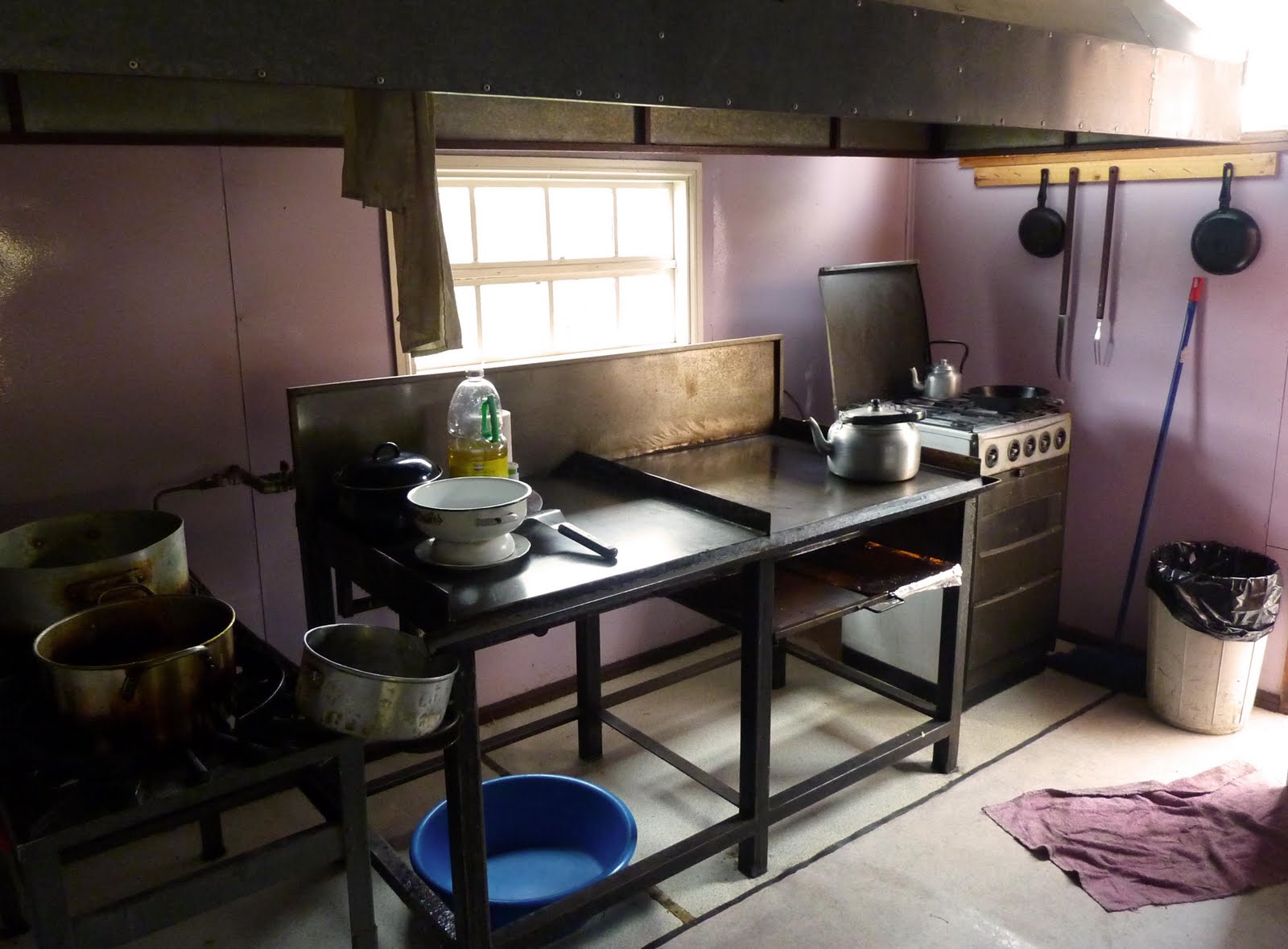
A real kitchen!
A family guest house Jasmar2 provided just what we need, a backyard with plenty of grass to set up our tent and a real industrial kitchen to cook our meals. As it turns out, on a trip like this, you end up with periods of time when you just have to wait and stay put in one place for a while. Since you are kind of removed from your normal world, and your normal habits, you end up rediscovering simple joys of life like cooking, reading, writing, talking or simply day dreaming to fill up your days. I am sure this gets boring after a while, but I have not gotten to that point yet.


Torres del Paine and Lake Peohe.
On Monday the 28th, we were off to the park on a 7:30 am bus. 3 hours later, having paid a generous entrance fee ($33 USD) at the ranger station we were off to do the famous “W” trail, and may be explore some less touristy hikes. At that same station, the weather report was promising, predicting partly cloudy/sometimes rainy weather with moderate winds and tolerable temperatures. The first day, as promised, was cloudy at times, and sunny just when we needed to see things. We somehow managed to hike up to the “Torres” mountains and enjoy their monumental beauty during the 2 hours that the sky was clear that day. They say that this 5,3 hour hike is the toughest part of the “W”, but after our adventures in the Argentine mountains we did not feel that it was that difficult at all. Nevertheless, that night we decided to stay at a camp site only about an hour away from the “Torres”, so that we could get some rest and prepare for the 2d leg of the trail we were going to do the following day.

Valle Frances.
That night, it began to rain….In the morning, woken up by the noise of the raindrops on the roof of our tent, we wrapped up and set off to the next camp site. The rain did not stop, but it took on a new form of snow. The mountains that were green with vegetation the night before were completely white, when we began walking that morning. It was kind of exciting to walk in the snow, so we started off with some good energy and positive spirits. Well, shortly after, the snow intensified and turned into rain once again…. 9 hours later it was still raining and we were still walking…The camp was just around the next tree, and the next, and the next, until we could not see any longer and had to walk with a flashlight through those Lenga tree woods. By 9:30 pm, wet, exhausted and frustrated, we reached our destination.  If not for the help of the Patagonian Mountain Gods, and the perfect distraction of the “Suite Francaise” audiobook, that John Kachtik left with me, when he visited, I would have not made it that day. On top of all of the climate inconveniences, my hiking boots turned out to be not exactly what my ankles liked. The last 2 hours I had to walk with shoe laces untied, which in turn gave me some nice blood blisters on both feet.  

Snow, more snow...
That night, at some point when it was already dark, we finally arrived to the campsite to stay there for 2 days waiting for the rain to stop. Well…it never stopped. A number of our new camp-friends that we made were x-ing their “W” plan and returning back to Puerto Natales. We, instead of giving up, decided to squeeze our way into the park ranger’s house, which had already been shot down for the season. Emi, a self proclaimed McGyver, in 2 seconds opened the window, and as we were about to take our backpacks inside, we heard someone chopping wood behind the house…. It turned out that the park services sent a volunteer to watch over that ranger station….Since breaking into the house was not an option any longer, we had to befriend the new ranger to get ourselves inside and out of the rain. Quique ended up being as friendly as one could be, and invited us to have mate, let us dry our clothes and boots, and even gave us a super comfortable mattress to sleep on that night. It was the first time in a month that we slept on a real mattress….It felt like heaven, almost, if not for the unexpected visitors, who chewed up a million little wholes in our tent. As we found out later, mice were a plague in all camp grounds in Torres del Paine, and there was no way to protect our belongings from them. The strangest thing is that they did not care for anything that had food of smelt like food. Those mice were addicted to plastic and ate anything from tents to water bags. Eventually, we just gave up and just ignored the damage, hoping to do some repair projects when we got back to civilization.

Lenga Trees.
During the next few days, despite the weather that never got better, we decided to get our money worth and stick with the “W” trail. We went up to all of the main observation points and enjoyed what we could. The best hike was to the “Britanico” refuge, which is the middle part of the “W”. The trail was covered with knee-deep snow and we had to follow puma tracks (we are convinced it was a puma) to find our way to the top. It was fun and exciting to be in the snow, however, wet boots made us get back down and mobilize towards the next campsite pretty quickly.


Special deals for Russians!

Our time at the Torres del Paine National Park of Chile was quite an experience. I would do it again, but I’d make sure I went during the dry season…. In reality, there is no such thing as dry season in that part to Chile. Chilean Ands is a natural barrier for the precipitation brought from the Pacific Ocean. All the rain and snow gets dumped on the Chilean territory, which makes Argentine’s hiking trails much more attractive. I thought we just had bad luck with the weather in Chile, but apparently we got to experience those wet mountains just how they are most of the time.

By April 4th, we were back in Puerto Natales, happy to be warm and dry, and preparing for our next adventure. This time it was going to be a luxury (by our standards) 3 day trip through the Chilean Fjords taking us to a town of Puerto Montt in Northern Patagonia.

NAVEGANDO LOS FIORDOS CHILENOS

Antes de Partir
Y al fin llego el día de uno de los acontecimientos más esperados dentro de nuestro paso por la Patagonia Chilena; la navegación de los fiordos más australes del planeta. Así nos dirigimos al puerto de Natales y luego de realizar el check in y despachar nuestras mochilas salimos a cenar algo para alrededor de las 9 de la noche ya por fin embarcar en lo que sería nuestro nuevo hogar para los próximos 3 días y 1500 km; el Ferry Puerto Edén.

Amaneciendo

Con un poco de suerte de nuestro lado, ya que habíamos sacado el boleto más barato y por consiguiente una habitación con 16 camas y baño compartido, nos reubicaron en un cuarto para tan solo cuatro personas con baño exterior, pero para el uso exclusivo de los tripulantes de nuestro camarote. Una vez más una pareja de franceses serian nuestra compañía.


Cartas de Navegacion
Intrigado y curioso recorrí el barco, aunque no era mucho lo que había por ver en ese momento ya que muchos de los sectores comunes se encontraban vacios y algunos incluso cerrados. En un momento me cruce con uno de los miembros de la tripulación y le consulte el horario de zarpe desde Puerto Natales,  como así también el horario del desayuno. 6 y 8 de la mañana fue la respuesta, así que esta vez si debía tener más suerte y poder ver no solo el amanecer desde el barco, sino que también las maniobras de zarpe del buque y así aprender un poquito más de cómo se mueven estos gigantes flotantes.

Desde el Camarote
A las 6 en punto sonó el despertador y salí eyectado de la cama directo hacia el salón de reunión. Mire por las ventanas y para mi sorpresa me encontré con todo el sector de carga, el cual estaba vacío el día anterior, completamente repleto de camines con ganado. El único sitio sin estar ocupado era el sector de la tapa del ascensor que subía los camiones a la cubierta superior. En dos de los remolques había caballos y en todos los demás, vacas. Seguíamos en Puerto Natales, pero veía que comenzábamos a tener leves movimientos. Salí rápidamente a las terrazas y me dirigí directo al puente de mando desde donde el capitán se disponía a dar las órdenes para el zarpe. “Saque la popa”, “saque un poco la proa”, “liberar 10 metros del sprint de proa”, “liberar 10 metros del sprint de popa”, “suelte la boya de proa”, “suelte el sprint de popa”. Así con pequeños movimientos laterales el barco se despego del muelle para ya si poder comenzar su avance frontal y realizar las primeras millas náuticas del viaje.

Puerto Eden
Entre todos los movimientos comenzó a amanecer por nuestras espaldas, por lo que me dirigí rápidamente a la popa para ver emerger el sol por detrás del barco. Las chimeneas amarillas de los motores se tornaron anaranjadas y el mar dejaba ver toda su textura, gracias a los instantes de luz más tangenciales del día. Se hicieron las 8 y llego la hora del desayuno. Café, leche, te, fruta, manteca, mermelada, pan, algo de fiambre, huevos revueltos y jugo. Un desayuno bien completo y generoso, de la misma manera que serian luego todas las comidas del barco.

Islas Surreales Fumadoras
Luego del desayuno me dirigí directo al puente de mando, el cual estaba abierto todo el día, para poder ser recorrido y también poder conversar con pilotos, y capitán en cualquier momento que uno lo desee. Esa mañana podemos decir que al Piloto Nro. 1 lo arrincone tras el timón y con lápiz y papel en mano le consulte todas las cosas que veía o imaginaba. Era el más joven de todos los pilotos y con mucha sencillez y palabras muy claras me contestaba absolutamente todo. Entre la información de navegación, lectura de cartas, trazado de puntos con compas, lectura y uso de radares, pilotaje por medio del piloto automático, uso de GPS y sondas, también le consulte sobre los motores que impulsaban la nave, como así también algunos datos técnicos del navío.

Atardecer en el Mar
Era una embarcación data del año 1971, de 114 metros de eslora y 19 metros de manga, impulsada por dos motores de 6 cilindros en línea que proporcionaban unos 3000 HP cada uno. Dichos motores eran alimentados por dos tipos de combustibles; gasoil e IFO. El primero de estos, conocido por todos, se utilizaba para la puesta en marcha y primeros minutos de la navegación, para luego hacer un cambio de carburante y comenzar a utilizar el IFO, el cual es un petróleo mucho más crudo y menos refinado que no solo es más económico, sino que también ocupa menos espacio en su almacenamiento, por lo que es mas aprovechable y redituable que el diesel. Estos motores de marcha constante, funcionan invariablemente a 365 RPM, haciendo girar por medio de reductores una única hélice central y trasera a unas 180 RPM. Esta ultima de 2,5mts de diámetro y con palas de ángulo variable (pitch). De esta manera el barco avanzaba a unos 12, 13 nudos (dependiendo mayormente del viento), y con un calado que le permitía navegar sin problemas incluso en zonas de hasta 10 metros de profundidad.

Volcanes
Así paso nuestro primer día, recorriendo el barco, pasando horas en el puente de mando observando cómo pilotaban el barco y obteniendo los mejores paisajes, aunque siempre acompañados por lloviznas leves, mucha niebla y nada de sol. Por la noche luego de la cena vimos una película y luego a descansar y esperar al día siguiente donde se suponía que amaneciésemos en las costas de la pequeñísima población de Puerto Edén.

Entre los Fiordos
Temprano como siempre escuchamos la voz del guía despertándonos para el desayuno e invitando, a quienes optaron por hacerlo, a desembarcar para ir a realizar una visita al pueblo de Puerto Edén. Nosotros decidimos que no lo haríamos, por lo que pudimos dormir un rato más y luego del desayuno continuar este divagar náutico dentro de la nave, esperando que el día mejore y nos dé la posibilidad de estar en las terrazas. Pero nada de eso ocurría. En la tarde, estábamos pasando el tiempo mientras mirábamos otra película, hasta que esta se vio interrumpida por el ingreso en el denominado Golfo de Penas. Era nuestra salida a mar abierto, navegando dicho golfo por el lapso de 5 horas, y luego el Océano Pacifico por las siguientes 7hs.

Atardeciendo en las Terrazas
Allí fue que comenzó el movimiento del barco. Las olas eran suaves según nos comentaba la tripulación; no más de 3 o 4 metros, pero de a poco se iban sintiendo y más aun cuando ya definitivamente dentro del golfo nos era muy difícil encontrar un punto para fijar la vista. Bastante mareado y ayudado de los pasamanos me fui a acostar (se suponía que esto ayudase). Unas dos horas después me desperté muchísimo mejor para la cena y luego ver una nueva película, que a pesar del movimiento que continuaba de la misma manera, esta si pude verla completa y sin problemas.

Guitarreando
Al otro día todo sería completamente diferente; llegaría el tan deseado sol. Todo el día transcurrió en las terrazas del barco, admirando los hermosos fiordos que por momentos otorgaban imágenes de las cuales dudábamos si eran reales o solo reflejos del agua. También fue el día que mas disfrutamos con los demás pasajeros, ya que no había quien no se encontrase en los techos del barco. Así conocimos a Brice, un francés que viajaba con su pequeña guitarra y su novia por Sudamérica; a Margarita y Máximo, una portuguesa y un italiano con quien compartíamos largas charlas de música, futbol, y claro está, de muchas de esas costumbres que nos habían dejado los antepasados de Max en su inmigración bélica de principios de siglo. También conocimos a Page, una americana que vivía en Bariloche hacia 2 años, y a Elsa, una brasileña a quien su hijo le había regalado un viaje con varios pasajes de avión, pero que ella decidió ir cancelándolos uno a uno, y mejor viajar por tierra, porque “del avión, es lo mismo si vas arriba de América, Asia o Europa”.

Tardes Anaranjadas
Pasamos todo el día sin movernos de las terrazas. Volcanes nevados a la derecha, pequeñas islas al frente, e incluso pudimos ver una gran cantidad de delfines corriendo al lado del barco, una ballena saltando a escasos metros, otras más lejos que nos hacían saber de su paso por los grandes vapores que exhalaban al cielo, lobos, y un centenar de medusas amarillas y blancas que pasaban a todo momento a los lados del buque.


Terrazas
El día fue perfecto. Acabamos todos contemplando el atardecer que esta vez debido a la claridad del cielo, no solo puso naranja las chimeneas del barco, sino rojas las islas y todo el cielo adyacente al horizonte se torno de un color ladrillo que sumado al extraño tono que tomaba el mar nos otorgaban imágenes prácticamente surreales y completamente impresionantes ante nuestros ojos poco acostumbrados a este tipo de pinturas vivas.


El Tano Maximo
Las últimas horas en el barco sin dudas fueron mágicas. El día nos permitió ver todo lo que no podíamos ver los días anteriores, e incluso poder contactar y conocer gente que ojala podamos volver a ver por algún lugar del planeta. El viaje fue único y los fiordos superaron nuestras expectativas altamente. Solo nos restaba pasar nuestra última noche en el barco, para amanecer esta vez en Puerto Montt, punto final de la navegación y nuestro punto de inicio para recorrer la última zona Patagónica dispuesta por Valeriano antes de dirigirnos al norte; la región de los lagos.


4 abr 2011

CALAFATE - NATALES via RIO TURBIO

Costanera de Puerto Natales
Nuestra entrada a Chile nos trajo consigo una alegría bastante particular y entendible. Luego de dos trayectos a dedo (el primero desde Calafate a Esperanza con un tipo en su Cherokee que iba a un promedio de 200 km/h, y luego desde Esperanza a Rio Turbio con un jefe sindicalista en su Volkswagen Amarok), esperábamos encontrar un camping o al menos algún hostal para al dia siguiente probar suerte para llegar a Puerto Natales, pero nada de eso ocurrió. En una pequeña oficina de turismo (donde no se que ofrecen porque en Rio Turbio no hay nada), una chica nos dijo que solo había dos hoteles y bastante caros para nuestro presupuesto y que el camping más cercano estaba a unos 25km. Preguntamos si no había nada más cerca y nos dijo que podíamos acampar en el Bosque de Duendes, que era seguro y que no habría problemas.

Costanera de Puerto Natales
Salimos caminando hacia el bosque que quedaba a unos 3km del centro de la ciudad, siempre pensando que no iba a ser nada demasiado lindo, ni del todo seguro. Cuando llegamos, el bosque no era feo, pero como siempre pasa en Argentina, con basura y bastante descuidado. Buscamos un lugar lo mas oculto posible y armamos la carpa para pasar esa noche. Así luego de cocinar vimos unas luces que se acercaban, eran autos que entraban al parque, por lo que comimos con las linternas apagadas y a tientas nos dormimos sin siquiera sacarnos la ropa.

Casas Antiguas
A la mañana siguiente despertamos, desayunamos algo rápido y salimos hacia el centro de Rio Turbio, para encontrar alguien que nos lleve a Chile. Paramos en una estación de servicio y luego de algunos intentos, encontramos un chico chileno que se ofreció a llevarnos directo a Natales. Sucede que muchos chilenos cruzan al lado argentino en busca de nafta, ya que en Chile sale el doble y las ciudades están separadas solo por 30km. Así, en poco más de 30 minutos, con un paso fronterizo intermedio, llegamos al fin a Puerto Natales.

Iglesia de Puerto Natales
Puerto Natales era completamente diferente. Una ciudad muy pequeña, con puerto sobre el Pacifico y bastante turismo por el hecho de ser la puerta de entrada al Parque Nacional Torres del Paine. Recorrimos sus calles, con casas de madera de colores y techos de chapa, su costanera sencilla pero prolija y acogedora, y nos hospedamos en un camping con hostal, por lo que teníamos una cocina enorme para usar y también internet incluido.


Antiguo Muelle
Pasamos unos días de tranquilidad donde solo salíamos a caminar por la ciudad por las tardes y nos dedicábamos a cocinar y comer barato, pero rico, jeje!! Así luego de un descanso que necesitábamos, nos encaminamos al Parque Nacional Torres del Paine, donde nos esperaban unos 7 días de caminata andina y frio chileno.